From Vision to Final Walkthrough
Today we explore the ‘Whole-Home Renovation Roadmap: From Pre-Design to Punch List,’ turning big ambitions into practical steps. Expect clear milestones, realistic budgets, simple checklists, and candid advice that reduce stress, build confidence, and keep every stakeholder aligned from initial vision through the final walkthrough and warranty.

Define Outcomes That Matter
List three non-negotiables, three nice-to-haves, and three future-phase ideas. Consider comfort, daylight, storage, and circulation alongside style and finishes. When Maya prioritized a safer stair and better mudroom before fancy tile, her project avoided late redesigns and stayed emotionally on track. Share your non-negotiables in the comments and compare notes.

Read Your House Like a Pro
Document structural spans, mechanical paths, moisture risks, and electrical capacity. Photograph every room and crawlspace, then label images with observations. Small discoveries—like undersized returns or hairline foundation cracks—can meaningfully redirect plans before costs balloon. Invite your contractor to this walkthrough and capture agreements in writing for future reference and accountability.

Translate Inspiration Into Direction
Pin images for light, layout, and feeling, not just surface finishes. Annotate why each example works: sightlines, storage tricks, or shared family zones. Turn recurring patterns into clear design principles the team can reference later. Encourage partners to react together, reducing mixed signals. Subscribe to receive our printable principles worksheet today.
Money Map: Budget, Contingency, and Funding
A strong budget protects relationships and schedule. Start with ranges, then refine as drawings mature. Include soft costs, permit fees, temporary housing, and realistic contingencies. Establish where to flex and where to hold firm. Transparent assumptions keep your builder aligned, your designer focused, and your future self grateful for disciplined decisions.
Build a Realistic Cost Framework
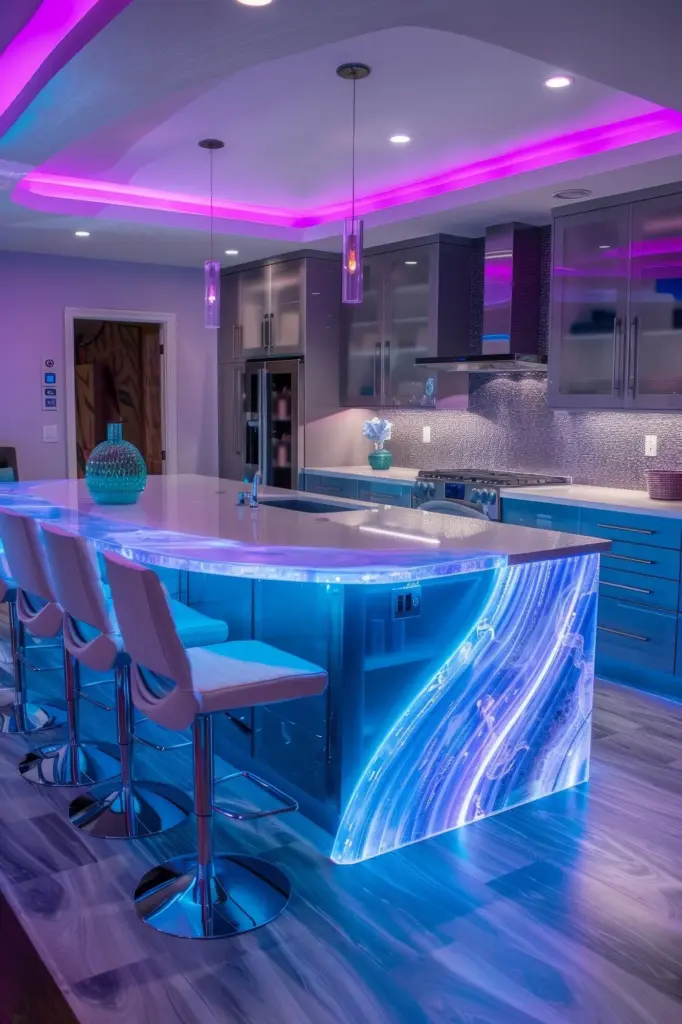
Break costs into structure, systems, envelope, interiors, and site work. Add design, engineering, and testing. Carry separate contingencies for design growth and unforeseen conditions. Weekly updates shrink surprises. One family saved thousands by earmarking a weather contingency before rainy season began. Comment with your region and we’ll share typical ranges.

Choose the Right Financing Path
Compare cash, renovation loans, HELOCs, and construction-to-permanent financing. Assess rate locks, draw schedules, and inspection requirements that can affect timelines. Coordinate bank milestones with permitting and procurement to avoid idle crews. Ask lenders about re-inspections for change orders. Download our subscriber checklist to track documents, draw requests, and closing steps.
Your A-Team: Delivery Method, Selection, and Agreements
The right partners turn complexity into calm. Decide whether design–bid–build or design–build fits your risk tolerance, timeline, and communication style. Vet references deeply and read sample schedules, RFIs, and submittals. Clear contracts, scope matrices, and meeting rhythms create trust, reduce misunderstandings, and keep accountability visible from kickoff through closeout.

Iterate With Purpose
Structure each review around questions: flow, daylight, storage, and future flexibility. Timebox decisions to keep momentum. When Lena and Arturo capped iterations at three rounds per room, they reduced fatigue and loved their results. Comment with one decision you’re postponing, and we’ll suggest practical criteria to move it forward confidently.

Specifications That Eliminate Guesswork
Create schedules for windows, doors, lighting, plumbing, flooring, and hardware. Note manufacturers, models, finishes, and alternates. Add performance criteria like U-values and sound ratings. Clear specs tame change orders and help subs price accurately. Subscribe to access our template spec sheet that keeps selections organized from showroom visits to installation day.
Build Phase: Logistics, Quality, and Daily Decisions
Construction is a choreography of trades, inspections, and deliveries. Protect the site, finalize long-lead orders, and keep decisions ahead of crews. Capture changes immediately and photograph progress weekly. Good field notes, respectful neighbors, and disciplined schedules transform disruption into visible momentum that keeps morale high and your confidence steady throughout the process.
Finish Strong: Punch List, Handover, and Beyond
Closing well protects the investment. Build a thorough punch list, gather manuals, and record paint and grout codes. Confirm warranties, lien releases, and as-built plans. Schedule seasonal tune-ups and plan maintenance. Celebrate the milestone, then keep learning with our community so your home performs beautifully long after the dust settles.
Creating and Closing the Punch List
Walk room by room with blue tape, then translate notes into a dated, assigned spreadsheet. Include photos and deadlines. Verify fixes before final payment. A calm, documented approach replaces frustration with momentum. Post one frequently missed detail—like door stops or caulk lines—to help others tighten their final walkthrough checklist effectively.

Final Inspections, Documentation, and Handoff
Collect permits, inspection stickers, test results, manuals, and serial numbers. Confirm mechanical balancing, GFCI tests, and slope at exterior thresholds. Ask for a video walkthrough of systems. When Ava organized everything in a cloud folder, warranty calls became effortless. Subscribe for our closeout binder dividers and naming convention cheat sheet.