Define the Scope Without Guesswork

Turn hazy wishes into a documented scope that leaves little room for confusion. List rooms, square footage changes, mechanical upgrades, finish levels, and performance targets, then back these with sketches or preliminary plans. Capture fixture counts, appliance models, and code requirements early. When ambiguity disappears, estimates become honest, bids align, and your future self avoids costly clarifications that arrive right when nerves and cash run thin.

Set Contingency Like a Pro

Protect your sanity with a contingency that matches project risk, not hope. Older homes, structural changes, and hidden utilities deserve ten to twenty percent, sometimes more after exploratory openings. Separate design evolution, scope growth, and true unknowns into different buckets to keep accountability clear. With disciplined reserves, surprises feel like small speed bumps instead of crises, and you retain power to choose, not react.

Choose the Right Funding Mix

Blend cash, savings cushions, and lending tools deliberately. Compare HELOC flexibility, cash‑out refinance stability, and renovation loans with staged draws, tracking fees, rate locks, and timelines. Create a payment calendar tied to milestones and delivery dates, not guesses. Give yourself breathing room for inspections, backordered materials, and permit waits. The right structure turns financing from a stress multiplier into a shock absorber that steadies every decision.

Cost Planning That Survives Reality

Move beyond napkin math to a living estimate built from assemblies, unit prices, and verified quotes. Break work into trades, then into line items with quantities, labor, materials, waste, equipment, and overhead. Use allowances only where selections truly aren’t final, and document quality levels unambiguously. Stress‑test totals against market benchmarks and timing swings. Good planning doesn’t predict perfectly; it remains adaptable without sacrificing control.

Get Comparable Bids and Choose with Confidence

The best price is the one that actually delivers the house you want, safely and on schedule. Request proposals with clear documentation, identical assumptions, and explicit exclusions so you can compare apples to apples. Level the bids, then explore alternates and schedule options. Ask for references you can call, not just read. Invite respectful competition, and remember that integrity and communication often outperform the lowest line item.

Write a Winning Request for Proposal

Issue a concise package that eliminates guesswork: plans, finish schedules, fixture lists, site photos, structural notes, and municipal constraints. Specify warranty expectations, cleanup standards, temporary protections, and work hours. Define milestones, payment triggers, and insurance limits. Ask each bidder to fill the same scope checklist and identify exclusions. Clear instructions yield focused pricing, shorter turnaround, and fewer hidden surprises that later masquerade as unavoidable changes.

Normalize the Numbers

Create a leveling sheet that lines up each bid by trade and line item. Fill allowance gaps, convert units, and price excluded items to reveal true totals. Flag unusually low numbers for discussion, not immediate celebration. Often, clarity fixes big deltas. When all proposals sit on the same baseline, you can select a partner for capability, schedule fit, and trust—backed by math instead of hunches.

Negotiate for Value, Not Just Price

Invite alternates that improve durability, compress schedule, or reduce maintenance. Consider preconstruction services, shared contingency governance, and early procurement for long‑lead items. Request sample contracts and change order workflows. A respectful negotiation uncovers creativity, not corner‑cutting. If both sides win predictability, the project wins momentum. Share your approach with readers in the comments, and compare what concessions genuinely balanced cost, quality, and peace of mind.

Prioritize High‑Impact Areas

Concentrate money where hands, eyes, and daily routines live most: kitchens, baths, and key circulation paths. Preserve stone countertops if cooking is joy, but consider value cabinetry upgrades behind beautiful doors. Redirect savings from seldom‑used rooms to hardworking surfaces and lighting layers. The 80/20 idea is not a cliché here; it is a compass pointing budget toward what you will touch and love every day.

Think in Systems, Not Pieces

Instead of shaving pennies off individual parts, optimize assemblies for performance and labor flow. Improve insulation and air sealing to downsize HVAC. Simplify trim profiles to speed painting without dulling character. Align tile formats with room dimensions to reduce cuts. System thinking multiplies benefits across trades, shrinking time, waste, and rework while protecting comfort, acoustics, utility bills, and the quiet delight of well‑resolved details.

Plan Schedule, Cash Flow, and Logistics Together

Budgets crack when time slips. Tie dollars to weeks with a realistic schedule and cash flow projection. Identify sequencing constraints, inspection gates, and delivery windows. Lock deposits for critical materials and clarify storage plans. Protect the household with temporary spaces and safety boundaries. When money, time, and movement agree, crews stay productive, invoices remain predictable, and your patience stretches far enough to enjoy the transformation.

Phase Work to Protect Daily Life

Stage demolition and dusty trades away from sleeping and working zones. Create a temporary kitchen, seal openings, and plan quiet hours. Label safe paths and pet routines. Share schedules with neighbors to reduce friction. Thoughtful phasing preserves mental bandwidth, which is quietly the most valuable resource in any remodel. A calm household makes better choices when unexpected decisions arrive at 7 a.m. with the tile crew.

Forecast Payments Without Surprises

Build a draw schedule that matches deliverables: framing signed off, rough‑in inspections passed, windows onsite, or cabinets installed. Require lien releases with each payment to protect equity. Align bank inspections with milestone timing. Note holdbacks for punch list completion. Predictable cash flow lowers stress for everyone and reduces the temptation to rush quality just to release funds. Clarity, again, is kindness to your future self.

Control Changes and Communicate Like a Leader
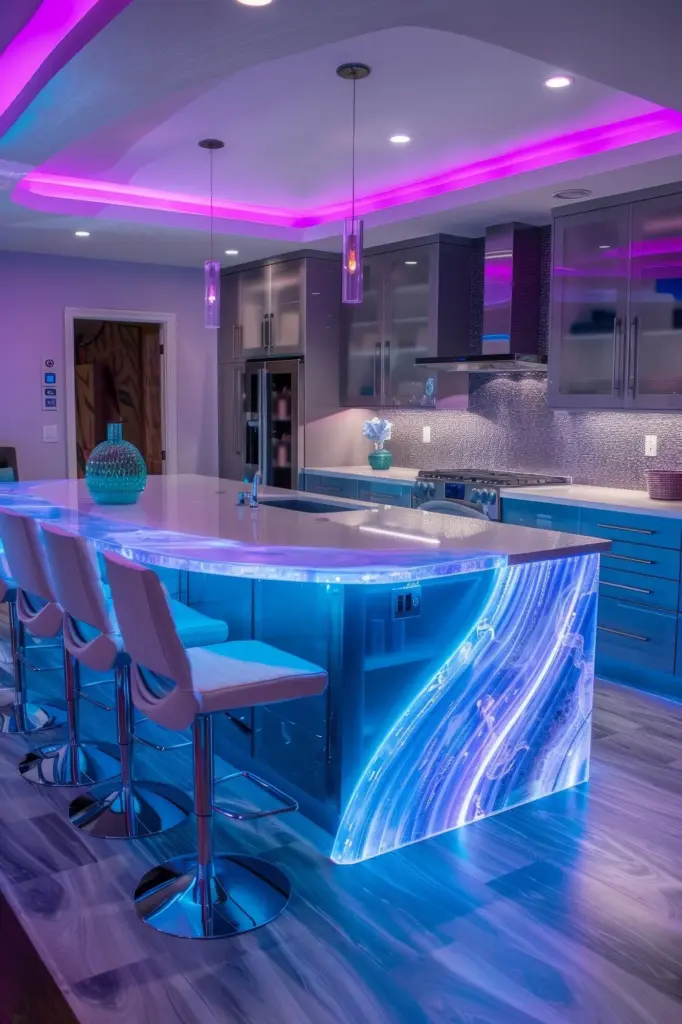
Changes will happen; chaos does not have to. Establish a single source of truth for drawings, selections, approvals, and meeting notes. Hold weekly check‑ins with decisions, risks, and next steps. Track contingencies openly and recalibrate scope when needed. Celebrate small wins to maintain morale. Invite feedback from readers on tools they rely on, and subscribe for templates that turn messy moments into smooth, documented progress.
Fuzonanexexapazuzexa
Privacy Overview

This website uses cookies so that we can provide you with the best user experience possible. Cookie information is stored in your browser and performs functions such as recognising you when you return to our website and helping our team to understand which sections of the website you find most interesting and useful.